

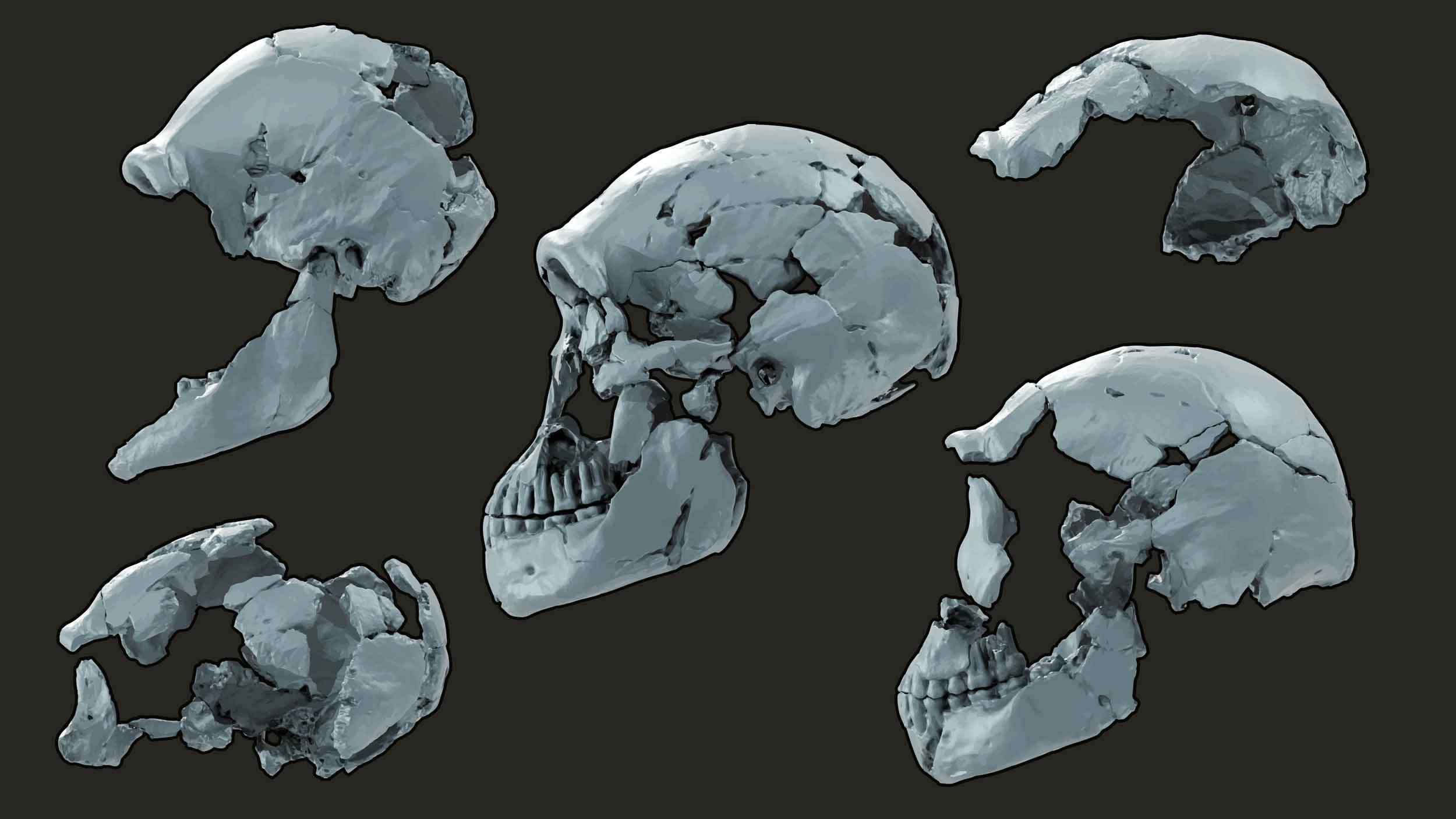
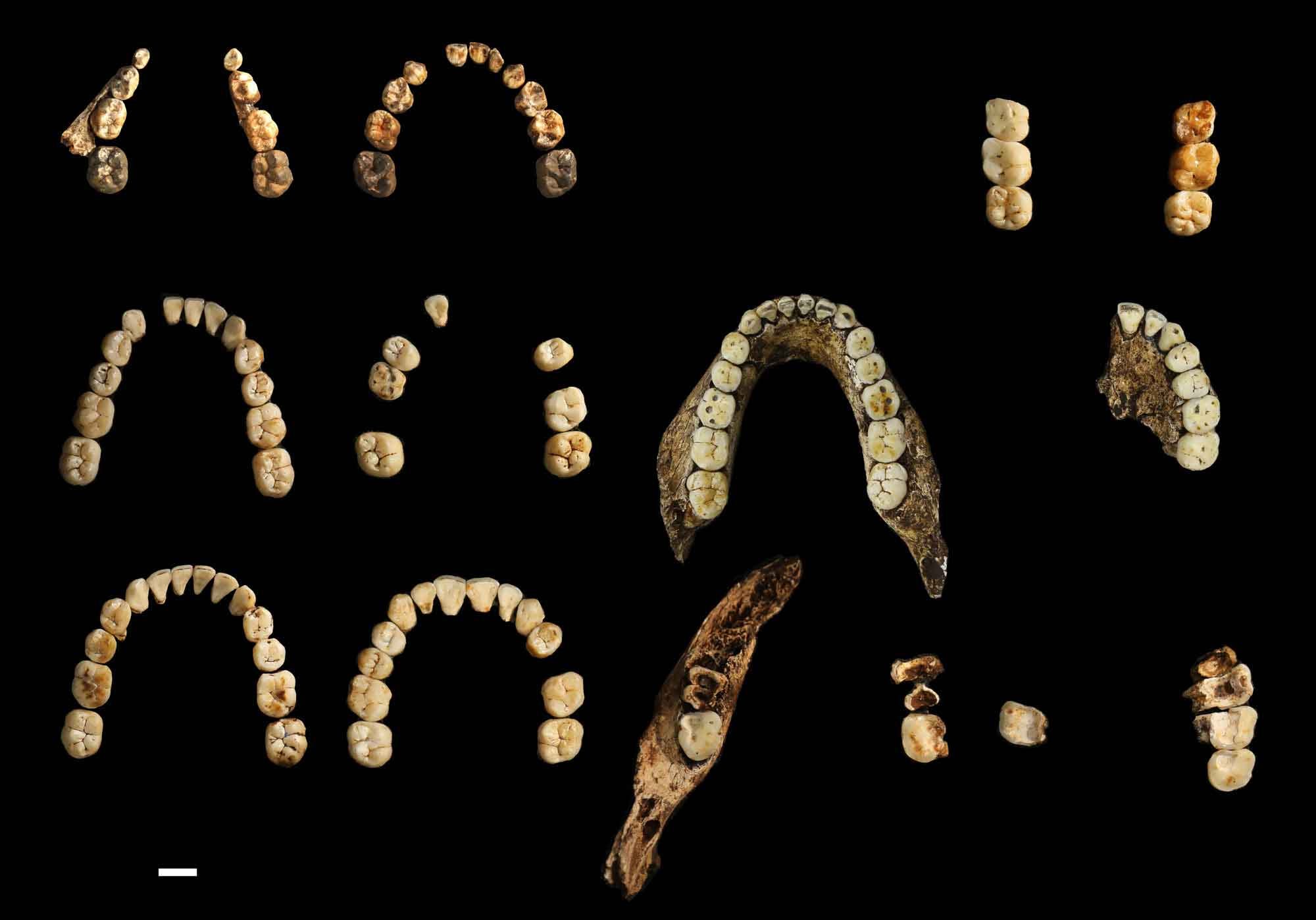
It is great to be able to share some of our team’s research on the proteome of Homo naledi, published today in Cell. The study is the largest examination of protein data from any sample of an extinct hominin. The work has been done on teeth of Homo naledi from all parts of the cave system where we have recovered their remains, amounting to at least 22 individuals.
The most fascinating finding is the simplest. At least twenty individuals show clear evidence from protein of their chromosomal sex. None show any signs of male markers. Adults, children, infants—all the individuals have protein markers consistent with female sex.
It has been a great experience collaborating with some of the leaders in ancient proteomics, especially our lead author Palesa Madupe, now at the Max-Planck Institute for Evolutionary Anthropology in Leipzig, Germany, and Enrico Capellini, one of the leaders in ancient proteomics at the Globe Institute and University of Copenhagen. There are twenty-one authors, all of whom were essential in different aspects of this project. I’m excited for where this collaboration is going next.
Ancient enamel proteins
Tooth enamel contains a fairly limited set of proteins, most related to the enamel structure. One of those proteins, amelogenin, has two versions that are products of two different genes, AMELX on the X chromosome and AMELY on the Y chromosome. These differ slightly in amino acid sequence. That makes peptide traces of the amelogenin protein useful as a marker of chromosomal sex in ancient samples. Individuals with two X chromosomes have only AMELX peptides. Peptides that are part of AMELY are only found in individuals with a Y chromosome.
This method has been applied in archaeology now for a long time. In archaeological sites of the last few thousand years, testing for amelogenin can be done with a very small residue of enamel. In much more ancient remains, like extinct species of hominins, the short segments of protein that survive, called peptides, have very durable molecular bonds and tend to last a long time.
How long? Previous work from Palesa, Enrico, and their laboratory has recovered protein data from teeth of Paranthropus robustus and Australopithecus africanus from South African sites, up to 3.6 million years old, including individuals with AMELY in both these species. Earlier work on Homo antecessor found the AMELY marker, as have many studies of Neanderthal and Denisovan individuals, and the recent work on Homo erectus teeth from China. Beyond hominins, several Miocene-age sites, more than 15 million years old, have yielded protein data from non-hominin faunal teeth, including in the Turkana Basin of Kenya. There is a great deal of potential for understanding the sex of hominins and in fossils of other families of animals from this approach. The Homo naledi teeth are recent compared to some of these finds, a mere 300,000 years old.
One of our team’s priorities has been to support research on less destructive methodologies to apply to the fossils. Because there are so many fossil teeth from the Rising Star cave system, it is a valuable collection for validating methods that can later be applied to sites where they are more scarce. Palesa, Enrico, and other lab members have applied a number of experimental approaches to compare different methodologies. In a practical breakthrough, they were able to show that a slight acid application on a small area of enamel can generate as much peptide data as more invasive physical sampling. Even as this new paper has been in preparation, both this new approach and similar ones have been successful in finding peptide data including male markers from many fossils, including the much older South African fossils and the recent work on 400,000-year-old Homo erectus fossil teeth from China.
The Homo naledi teeth in this study represent all ages from infant to the oldest adult in our sample. Around half are children. They come from every part of the cave system where we have recovered fossil material, including both the Dinaledi and Lesedi Chambers, the Hill Antechamber, and the U.W. 110 locality where the skull and teeth of a Homo naledi child were recovered. All are female.
An obvious question with any biomolecular method is whether the laboratory methods have the power to make a strong conclusion. In this case, both the extraction methods showed the same results. Several different analytical approaches coming from multiple groups were applied to understand whether the lack of AMELY evidence could be explained by the preservation or recovery of the data. All of these converged on the conclusion that the results are certain for 20 individuals; if these 20 were male, there should be AMELY markers. For two additional individuals no male markers were found but the lower amount of peptide data recovery makes the identification less certain. In our paper we mention alternative hypotheses, such as the idea that H. naledi had intersex karyotypes or genetic changes to the Y chromosome that resulted in AMELY inactivation in all male individuals. Such genetic scenarios are much less likely than the simpler hypothesis that the sample is female. As I’ll discuss further below, the morphological data from the sample also supports the female sex of the sample.
Beyond amelogenin
There are other enamel proteins besides amelogenin. Their variation has some potential for understanding the evolutionary tree. So far there is no strong evidence from the protein data about naledi’s relationships.
This is a challenge in protein data compared to DNA evidence, because there are extremely few variations that separate known populations of humans and other hominins from each other. Modern humans, Neanderthals, and Denisovans differ in frequencies of a few enamel protein variants, but small fractions of people do carry known Neanderthal and Denisovan variants. The study from earlier this year on Chinese fossil hominins by Qiaomei Fu and coworkers showed a marker shared by some teeth attributed to Homo erectus, to Denisovans, and to some living people. One amino acid change sets Homo antecessor apart from all three of those later groups.
Last year, the study that Palesa led on South African Paranthropus robustus found one amino acid variant in the enamelin protein that varies among the four individuals they sampled. The Paranthropus teeth also differ from modern humans in one amino acid in the COL17A1 protein, in which P. robustus has the ancestral version and modern humans, Neanderthals, and Denisovans have a derived variant. That is the only position that shows P. robustus to be an outgroup to later Homo in the enamel proteome.
The Homo naledi sample is homogeneous in enamel protein variation. The small number of positions doesn’t enable us to say whether this low variation is unusual. Equally small samples of humans sometimes do not vary in more than the AMELY variant, but some populations do have variation in amino acid sequences that show up in samples of this size.
The ancestral COL17A1 variant in P. robustus is also found in H. naledi. This confirms earlier work showing that naledi is likely an outgroup to modern humans, Neanderthals, and Denisovans. Because this is an ancestral variant, shared with other primates, it does not support a close relationship between P. robustus and H. naledi. So far there is no reporting on this variant in H. antecessor or H. erectus data. One interesting possibility for Homo naledi is that the species may have contributed genes to modern humans. The ancestral COL17A1 variant has not yet been seen in the genomes of living people, which at least suggests that this part of the genome did not have a naledi origin.
Not as surprising as it may seem
You can imagine how the findings on chromosomal sex of H. naledi have twisted around my thoughts about the fossil record. We’ve been studying one of the largest samples of any extinct hominin, and we haven’t yet seen a male.
Still, it has been known since our first analyses that the Homo naledi sample is low in variation. In a study led by Heather Garvin, our team estimated body size and stature for adults and suggested that the differences in size between male and female individuals must be very low. None of us were daring enough to suggest that maybe the sample wasn’t just a random assortment of the dead. We made the usual assumption: With initially fifteen individuals—later close to double that number—we assumed that we were sampling randomly from both sexes.
Lucas Delezene suspected our first assumption was wrong. In 2023 he had led the massive 80-page description of the teeth from the Dinaledi Chamber. After spending this kind of time with those teeth, his instinct was that the Homo naledi teeth just do not show as much variation as would be expected in a sample that includes both sexes. Working with several collaborators, including me, he confirmed his intuition with hard data. The Homo naledi teeth that we’ve found are much less variable than mixed-sex samples of humans, even from single ancient cemeteries. Instead, the variation within a single sex is a better match to the naledi variation.
So the protein data didn’t come out of nowhere. The skeletal evidence shows very low variation; the teeth led to the hypothesis that one sex is very strongly overrepresented; and the protein data show that individuals of female sex are the only ones we have teeth from.
Of course our knowledge is far from complete. Some individuals in the cave system are not represented by teeth in this sample, so we can’t say that every individual definitely was female. However the Neo skeleton from the Lesedi Chamber is one of the largest individuals in the sample and the protein data show she was female. I’ve seen a couple of experts commenting that males might be hiding in the parts of the sample that have no teeth. To put it simply, there are no bones that are large enough or that manifest other signs of development that would reject a female-only sample.
Reexamining biases
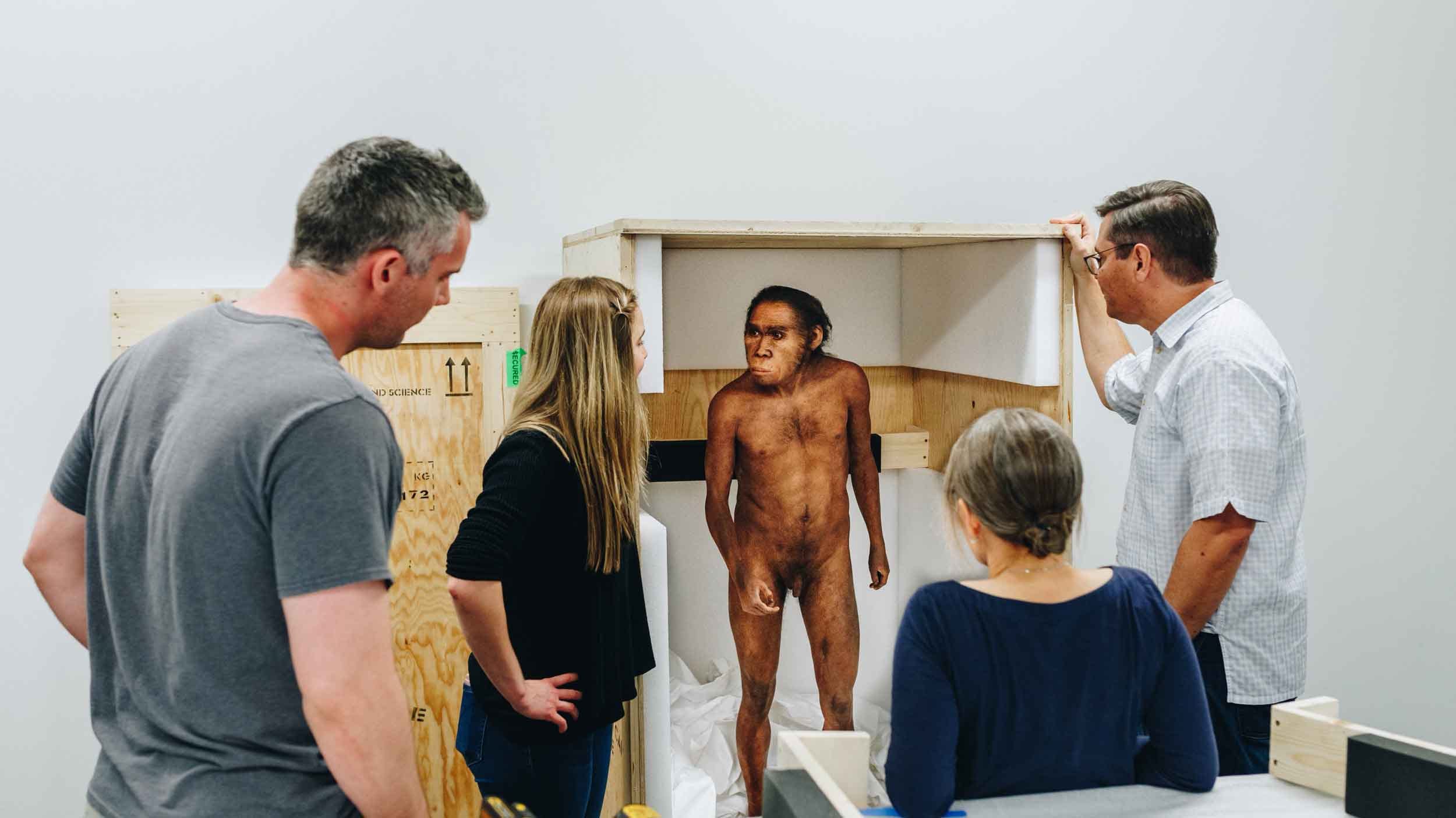
Being involved in this study has changed the way I think about fossil hominins. I’ll probably be commenting at greater length over the next few months. In the case of H. naledi, the sex bias comes from the behavior of the ancient species. But the analytical biases, the biases in assumptions, those come from researchers.
Knowing that the sample is made up of female individuals of all ages gives a great deal of insight about the biology of Homo naledi, which we are following up along several lines of analysis. In previous analyses we talked about species averages. This might have seemed reasonable, but it was wrong. We don’t know the average body size, brain size, or tooth size of Homo naledi. Every comparison of naledi to other hominin species is affected to some degree by this bias.
The Homo naledi sample is far from the only example of statistical bias in the hominin fossil record. I’ve commented on the male bias of known Denisovan skeletal remains, which are a big impediment to understanding the composition and relationships of this group. Neanderthals are another example, with many more well-preserved adult male individuals. Many researchers have discussed this bias in the sample, some concluding that cultural practices including mortuary treatment might contribute to the overrepresentation of male individuals.
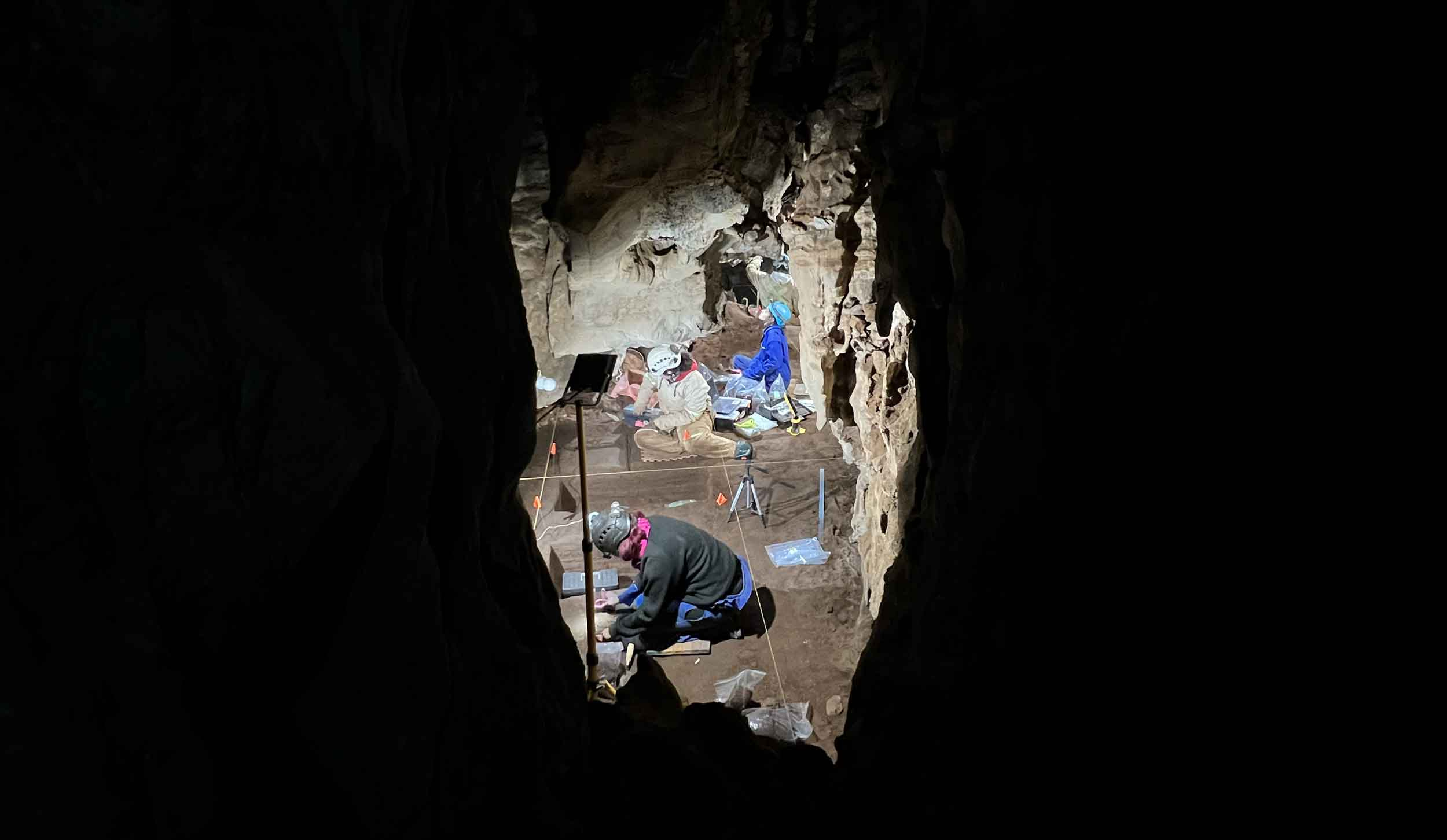
I’ve had a number of colleagues ask me what the sex estimation of this large sample may mean for the interpretation of mortuary evidence in the Rising Star cave system.
I’m a very strong believer in finding multiple lines of evidence and understanding how together they support or reject a hypothesis. In our work on what happened to these Homo naledi individuals, we have relied upon stratigraphic, sedimentological, geological, spatial, skeletal, taphonomic, and demographic evidence, among others. Those analyses come from methods independent of the data on the sex of the individuals.
Yet sex does matter a great deal to understanding the pattern of evidence.
It is an analytical bias to assume that culture was not part of the behavior of a close human relative. We evolved from cultural species, and when we find traces of culture, that is not surprising. Culture has shaped the evidence that we find, and our evidence highlights an especially marked case of how skewed evidence may become as a result of ancient cultural practices.
Mortuary practices in recent humans, in Neanderthals, and in other archaeological settings do sometimes involve biases in representation or treatment of female and male individuals, or adults and children. One of the largest early death assemblages of hominins is from Sima de los Huesos, Spain, which has a very strong bias against the presence of children. In the Rising Star situation, we have the expected number of children, around half the sample, and a very strong bias toward female individuals of all ages.
Cultures vary enormously. Sometimes the interactions of mortuary and sex reflect much broader patterns of treatment or beliefs. Sometimes they don’t. Sometimes the intersection of mortuary with the sex of the deceased is counterintuitive, where the sex with lower status has higher investment after death. Whatever stereotypes people might have about mortuary practices, they couldn’t match the reality of how diverse those practices are.
No humans are Homo naledi. We don’t know that the variation in humans makes much sense as a model for naledi cultural practices, whether looking at living groups or historical ones.
As we find more evidence, what I am finding the most engaging is how what seems unusual—one headline said “baffling”—is mostly because it reveals how our assumptions were wrong. Assuming that every sample is a random assortment of individuals is a bias. Assuming that the typical or most complete skeletons are males is a bias. Assuming that cultural phenomena did not apply in past societies is a bias. It’s a challenge to reexamine your biases, but it’s essential to scientific understanding.
References
Delezene, L. K., Scott, J. E., Irish, J. D., Villaseñor, A., Skinner, M. M., Hawks, J., & Berger, L. R. (2024). Sex-biased sampling may influence Homo naledi tooth size variation. Journal of Human Evolution, 187, 103490. https://doi.org/10.1016/j.jhevol.2023.103490
Delezene, L. K., Skinner, M. M., Bailey, S. E., Brophy, J. K., Elliott, M. C., Gurtov, A., Irish, J. D., Moggi-Cecchi, J., de Ruiter, D. J., Hawks, J., & Berger, L. R. (2023). Descriptive catalog of Homo naledi dental remains from the 2013 to 2015 excavations of the Dinaledi Chamber, site U.W. 101, within the Rising Star cave system, South Africa. Journal of Human Evolution, 180, 103372. https://doi.org/10.1016/j.jhevol.2023.103372
Fu, Q., Wu, Z., Bennett, E. A., Xing, S., Ji, Q., Dong, Z., Rao, H., Gu, X., Dang, Y., Xing, J., Zhou, K., & Feng, X. (2026). Enamel proteins from six Homo erectus specimens across China. Nature. https://doi.org/10.1038/s41586-026-10478-8
Garvin, H. M., Elliott, M. C., Delezene, L. K., Hawks, J., Churchill, S. E., Berger, L. R., & Holliday, T. W. (2017). Body size, brain size, and sexual dimorphism in Homo naledi from the Dinaledi Chamber. Journal of Human Evolution, 111, 119–138. https://doi.org/10.1016/j.jhevol.2017.06.010
Madupe, P. P., Koenig, C., Patramanis, I., Rüther, P. L., Hlazo, N., Mackie, M., Tawane, M., Krueger, J., Taurozzi, A. J., Troché, G., Kibii, J., Pickering, R., Dickinson, M. R., Sahle, Y., Kgotleng, D., Musiba, C., Manthi, F., Bell, L., DuPlessis, M., … Cappellini, E. (2025). Enamel proteins reveal biological sex and genetic variability in southern African Paranthropus. Science, 388(6750), 969–973. https://doi.org/10.1126/science.adt9539
Madupe, P. P., Munir, F., Dickinson, M., Taurozzi, A. J., Mackie, M., Tawane, M., Mollereau, C., Hlazo, N., Penkman, K., Schroeder, L., Zanolli, C., Olsen, J. V., Ackermann, R. R., & Cappellini, E. (2025). Results from an Australopithecus africanus dental enamel fragment confirm the potential of palaeoproteomics for South African Plio-Pleistocene fossil sites. South African Journal of Science, 121(1/2), Article 1/2. https://doi.org/10.17159/sajs.2025/18571
Madupe, P. P., Taurozzi, A. J., Koenig, C., Patramanis, I., Munir, F., Dickinson, M. R., Mackie, M., Troché, G., Parker, G., Kyriakidou, P., Mahoney, P., McFarlane, G., Zipfel, B., Cox, J., Penkman, K., Schroeder, L., Ackermann, R. R., Olsen, J. V., Hawks, J., … Cappellini, E. (2026). Proteomic analysis of dental enamel from 20 Homo naledi individuals shows no male markers. Cell, S0092867426006446. https://doi.org/10.1016/j.cell.2026.05.044
Welker, F., Ramos-Madrigal, J., Gutenbrunner, P., Mackie, M., Tiwary, S., Rakownikow Jersie-Christensen, R., Chiva, C., Dickinson, M. R., Kuhlwilm, M., de Manuel, M., Gelabert, P., Martinón-Torres, M., Margvelashvili, A., Arsuaga, J. L., Carbonell, E., Marques-Bonet, T., Penkman, K., Sabidó, E., Cox, J., … Cappellini, E. (2020). The dental proteome of Homo antecessor. Nature, 580(7802), 235–238. https://doi.org/10.1038/s41586-020-2153-8
This is a very intriguing finding! However, I do wonder if we should assume AMELY is present in every male individual and in every species. It's present in Neanderthals, Denisovans, Paranthropus robustus, and sapiens (and I presume many more species) but when I hear about a new protein study I'm reminded of the 2022 paper by Laurits Skov and colleagues. https://doi.org/10.1038/s41586-022-05283-y
They found that Mezmaiskaya 2, a Neanderthal, was missing the AMELY gene in his genome. Genetically he was a male but proteomically researches would have regarded him as female. How common is this across individuals? Is it possible that the males across a hominin lineage, such as H. naledi, lost the AMELY gene in their Y-chromosome? Or was this deletion in Mezmaiskaya 2 simply another example of genetic drift overtaking the last members of a waning lineage?
It's amazing that naledi is serving up surprises all these years later! I'm still hoping one day DNA will be recovered.